Bing separates AI training and grounding preferences
Store teams can plan separate choices for AI training and generated answers. Existing NoArchive and NoCache users face a specific transition.
Microsoft’s 30 October announcement separates permission for AI training from permission to use web content in generated answers, called grounding. The choices preserve eligibility for ordinary Bing search; they do not guarantee citations, traffic or payment.
Training preferences can apply through robots.txt or individual pages. Grounding is page-level: allow it, disallow it, or use DisallowExtended to limit it to Microsoft-operated experiences.
The transition dates
Bing starts honouring the new preferences on recrawl from 1 February 2027. Sites using NoArchive or NoCache should migrate before 1 March 2027.
Temporary grounding controls open in Bing Webmaster Tools on 15 December 2026, only for sites using those older tags by that date. To preserve restrictions while awaiting recrawl, eligible sites must set both the page preference and the temporary control. Temporary treatment ends on recrawl or 30 September 2027, whichever comes first.
Make the content decision before editing the site
Our recommendation for store teams is to write down the intended treatment of product pages, buying guides and other original material separately. A decision about training should not be used as shorthand for a decision about discovery.
Ask whoever maintains your SEO settings to inventory the existing tags and rules, identify which app or theme emits them, and retain a copy before changing anything. That makes the decision reviewable and reduces the chance that two tools silently set conflicting preferences.
Keep this announcement in the planning calendar rather than treating it as evidence that a new setting is active today. Revisit the current implementation guide when making the change, then check the rendered page and the responsible tool’s configuration.
Other providers have different implementation plans
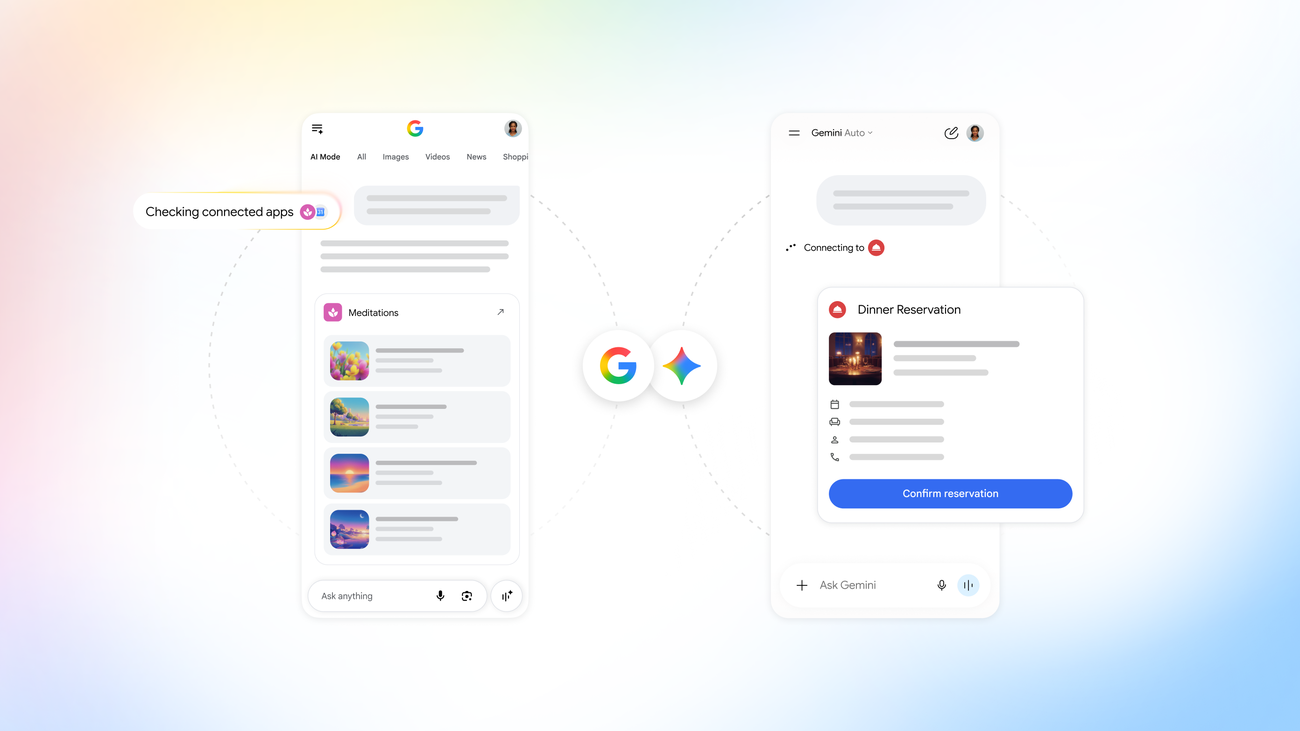
The shared training signal does not make every provider’s controls identical. Google’s announcement targets support in 2027. Where Google-Extended is not explicitly specified, Google plans to interpret the shared training opt-out as a Google-Extended disallow. It says existing provider-specific controls will continue alongside the shared signal, and sites explicitly allowing Google-Extended remain eligible for grounding in Gemini Apps.
OpenAI’s announcement targets implementation in the coming months, without an exact date, and says its existing crawler controls will remain in place. Neither announcement establishes that the new shared mechanism is operating today. Check each provider’s implementation before assuming Bing’s separate training and grounding choices apply elsewhere.
The proposal does not itself block crawling
The 30 October Internet-Draft, authored by Kevin Kelley of Anthropic, describes the shared __usage_ai-training policy token. It is an individual proposal, not an endorsed IETF standard. Under the draft, a wildcard User-Agent: * group does not express this training preference.
The signal concerns content use; it does not itself instruct a crawler to stop fetching pages. Existing crawler-specific rules remain separate. For store owners, that means reviewing training preferences and crawl access as separate settings, then checking each provider’s implementation timetable. This draft alone does not establish that a provider has deployed support.
More from AI
See all →