Trustpilot Product Review Pages: what Shopify merchants should check
Trustpilot gives products dedicated review pages for shoppers and AI discovery. Check catalogue grouping, destination links and evidence before forecasting results.
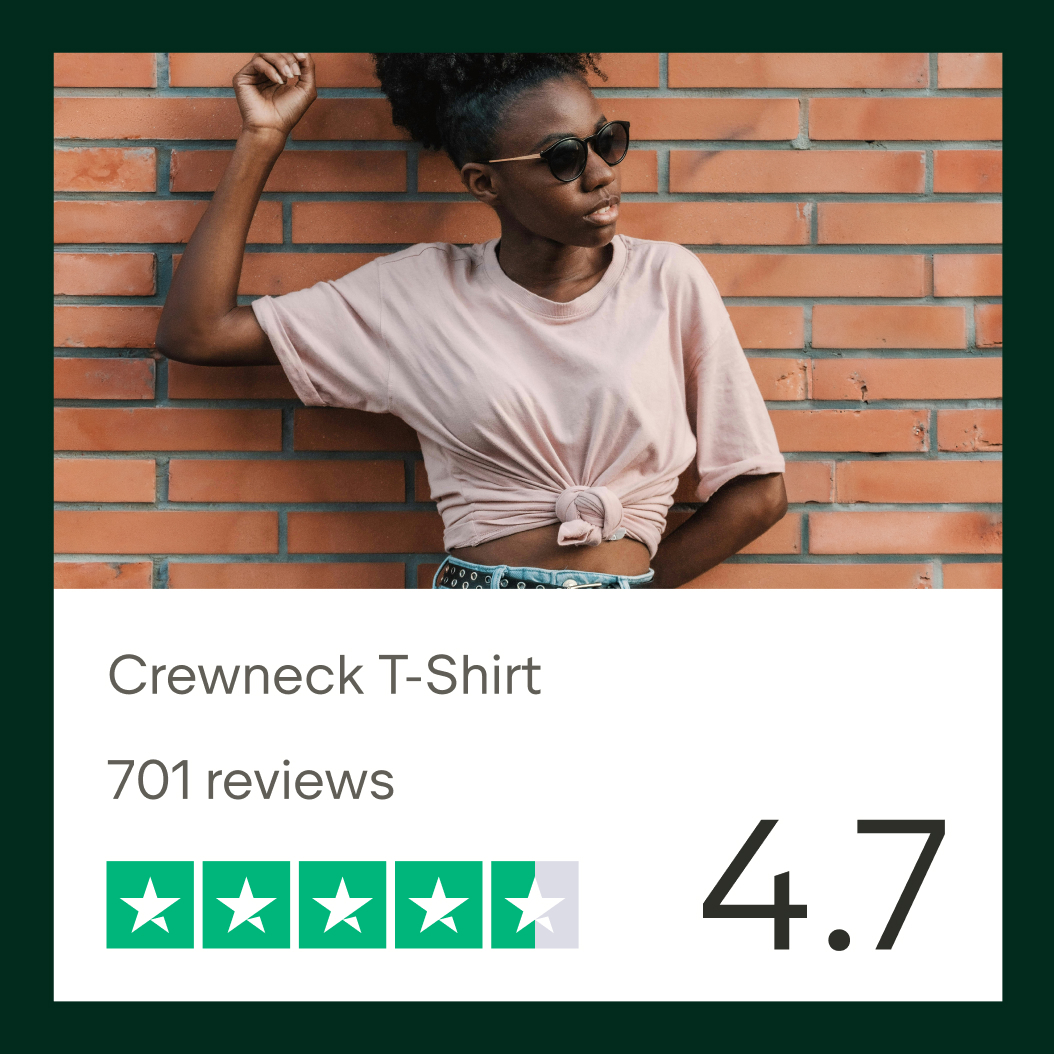
Trustpilot’s new Product Review Pages give individual products their own public pages on Trustpilot, combining reviews, ratings and product details. Announced in the company’s 24 September product release, they are intended to help shoppers and AI systems find feedback about a particular item.
For a Shopify merchant already collecting product reviews, the useful question is whether those reviews point to a clear, correctly identified product. A brand-level reputation score does not answer every question about the fit, quality or suitability of an individual SKU.
A public page for each product
In its Product Review Pages explanation, Trustpilot describes dedicated URLs with product ratings, buyer reviews and links back to the merchant’s site. It also describes grouping sizes and colours beneath a parent SKU so their reviews contribute to a combined score.
That makes catalogue structure part of the evaluation. Our recommendation is to check how a product and its variants are represented before adding more review invitations. A page with the wrong product destination is a poor experience regardless of which search engine sends someone there.
Do not turn a citation claim into a sales forecast
Trustpilot promotes substantial citation gains from its beta trial and identifies 418 participating businesses in May–June 2026 in the release notes. Those are vendor-reported findings. They do not establish what a particular Shopify store will gain in orders, revenue or profit.
A citation, a referral visit and a purchase are different outcomes. For a useful test, record a small set of relevant product questions, the date and AI service used, and whether an answer actually links to the correct page. Separately measure referral sessions and purchases in your own reporting. Keep the questions consistent so changes in the test do not masquerade as improved visibility.
What to check before rolling it out
- Product identity: compare the public title and destination link with the current Shopify product.
- Variant grouping: make sure feedback about sizes or colours belongs with the intended parent item.
- Customer usefulness: check that review detail helps answer a real buying question, rather than merely adding another rating badge.
- Commercial scope: confirm availability and cost for your account with Trustpilot before planning a catalogue-wide launch. The announcement is not a universal pricing commitment.
For reporting alongside that test, our Clarity Brand Terms article explains another part of the measurement problem: ensuring that brand mentions are classified sensibly. Neither a new review page nor a reporting setting guarantees that an AI assistant will recommend a product.
More from News
See all →